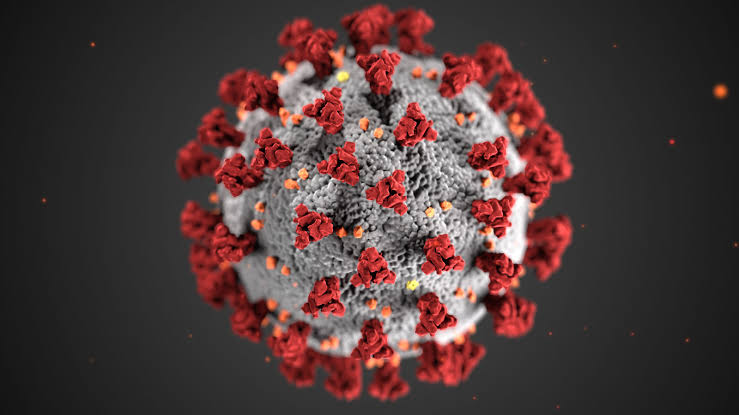
This novel coronavirus was named Coronavirus Disease 2019 (COVID–19) by WHO in February 2020. The virus is referred to as SARS-CoV-2 and the associated disease is COVID–19.
How does the coronavirus disease spread?
Current evidence suggests that COVID-19 spreads between people through direct, indirect (through contaminated objects or surfaces), or close contact with infected people via mouth and nose secretions. These include saliva, respiratory secretions or secretion droplets. These are released from the mouth or nose when an infected person coughs, sneezes, speaks or sings, for example. People who are in close contact (within 1 metre) with an infected person can catch COVID-19 when those infectious droplets get into their mouth, nose or eyes.
Who is most at risk for COVID-19?
COVID-19 is often more severe in people 60+years or with health conditions like lung or heart disease, diabetes or conditions that affect their immune system.
What are the symptoms of COVID-19?


New Normal
A life during covid 19
Public transport looks very different with social distancing.

Work from home and do virtual meetings a lot more than before

You may cook a lot more at home, or have food delivered a lot more often than before.

E-businesses like online food ordering, online shopping

Family quality time because of the covid

Finding the “new normal” can be challenging as schools and daycares are closed with an end to this phase still unknown.
 Covid 19